
Who Is Eligible for Australia’s National Innovation Visa (Subclass 858)?
Who is actually eligible for Australia’s National Innovation Visa (subclass 858)? The NIV is designed for a relatively small group of people with an internationally recognised record of exceptional and outstanding achievement. Being highly skilled, successful in business, working in a priority sector, over 45, or not wanting to sit an English test does not, by itself, make someone an NIV candidate. What matters is what the applicant has actually achieved, the recognition those achievements have received, their current standing in their field, and the evidence available to demonstrate it.
Thinking Outside the Checklist: When Atypical Evidence Can Strengthen an Australian Migration Application
What happens when the evidence normally expected for an Australian visa or migration application simply does not exist? From self-employed professionals and gig-economy workers to applicants with unusual personal or employment circumstances, sometimes the strongest case requires thinking beyond a standard document checklist.
Australian Visitor Visa: Can I Take My Domestic Helper on Holiday to Australia?
Can you take your domestic helper with you when you travel to Australia? In many cases, the answer is yes, but obtaining an Australian Visitor Visa for a domestic helper is not automatic. The circumstances of the proposed visit, the employment relationship, the length of the stay and the evidence provided can all be important. This article looks at when these applications can work, why they may be refused, and why the situation is very different when a family is permanently relocating to Australia.
Australian Visitor Visa: What Can You Do on a Visitor Visa?
Understand what you can and cannot do on an Australian Visitor visa (subclass 600), including how long you can stay, whether you can work or study, visiting family, visa conditions and Condition 8503.
Common Problems With Australian Partner Visa Applications
Australian Partner visa applications can become more complicated when there are issues with relationship evidence, periods of separation, previous relationships, children, visa history, character or unusual circumstances. Learn about 10 common problems and why addressing potential issues before lodging an application can be important.
Do My Partner and I Need to Live Together to Prove a De Facto Relationship?
Do you need to live with your partner to establish a de facto relationship for Australian migration purposes? Not necessarily. Couples may live apart because of distance, work, study, cultural or religious expectations or other circumstances. What matters is whether the relationship meets the relevant visa requirements and can be supported by appropriate evidence.
Can I Apply for an Australian Partner Visa If My Partner Is Still Legally Married to Someone Else?
Being legally married to someone else does not necessarily mean that a person cannot establish a genuine relationship with a new partner for Australian migration purposes.
The circumstances surrounding the previous relationship need to be understood and, where relevant, supported by evidence. At the same time, the new relationship must satisfy the applicable requirements and be supported by evidence demonstrating that it is genuine and continuing.
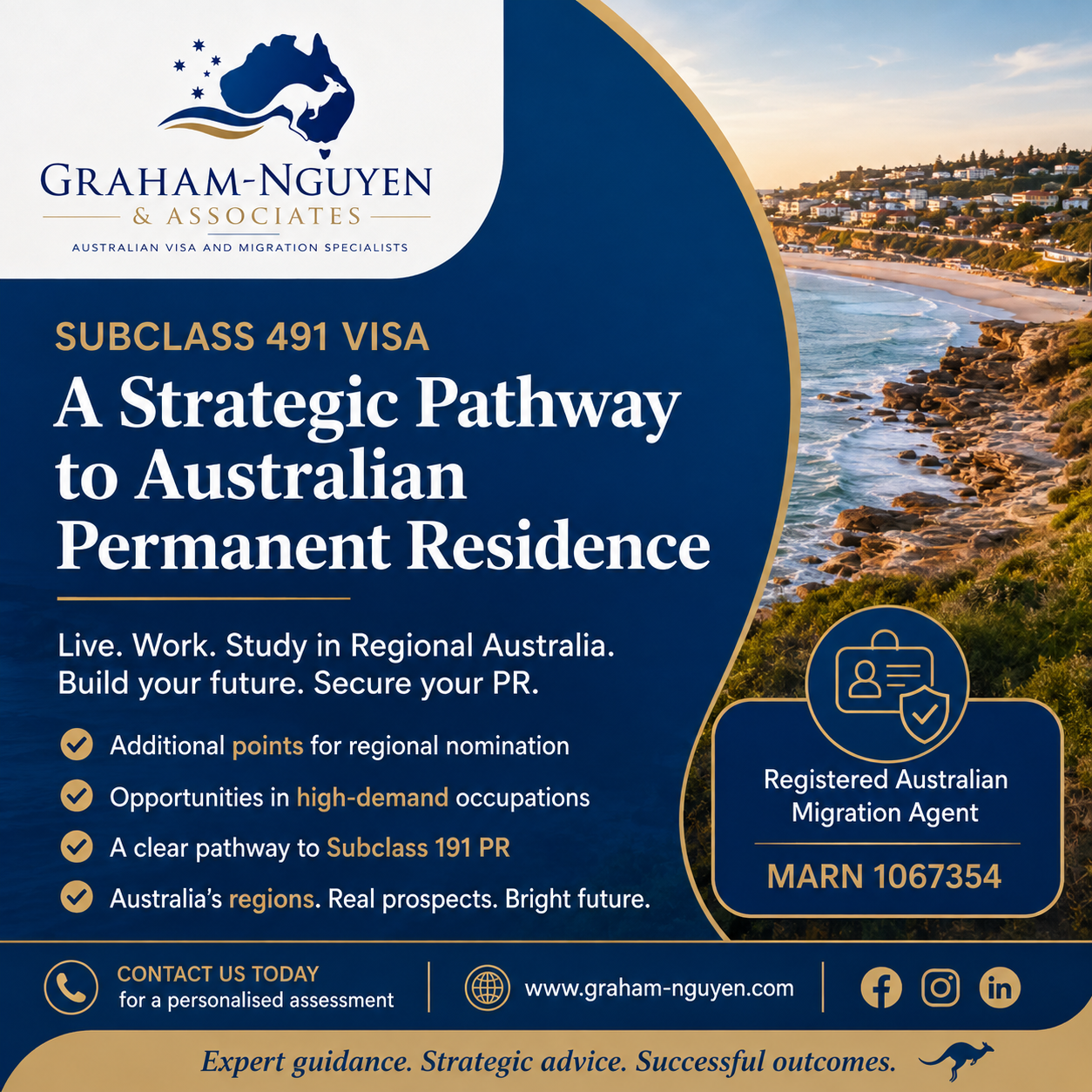
Australian Skilled Work Regional (Provisional) Visa (Subclass 491): A Strategic Pathway to Australian Permanent Residence
The Subclass 491 visa can provide skilled migrants with a clear pathway to Australian permanent residence. Discover how regional nomination, additional points and the Subclass 191 visa can make the 491 a strategic option for skilled migrants seeking to build a future in Australia.
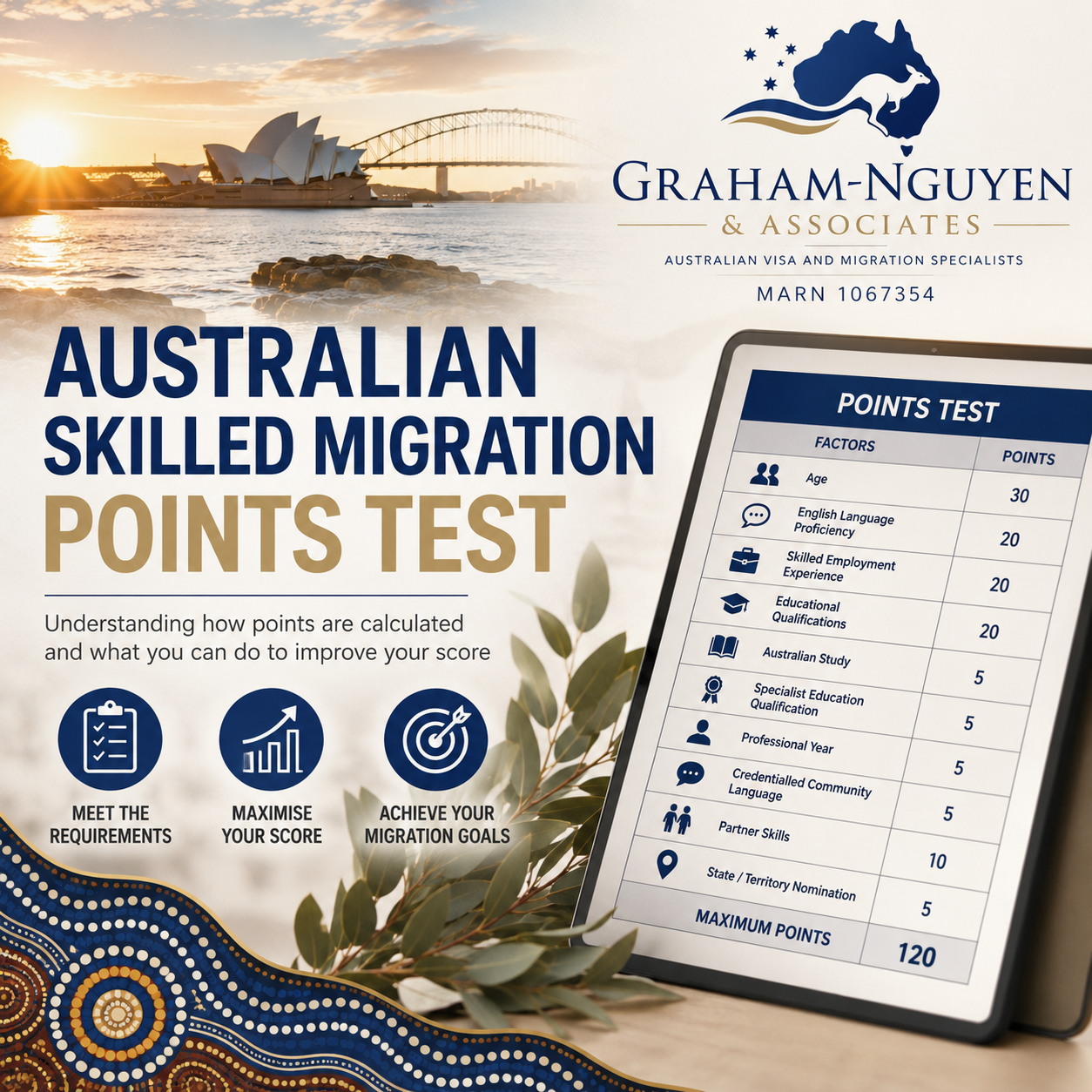
Australian Skilled Migration Points Test: A Complete Guide
Learn how the Australian Skilled Migration points test works, how points are calculated, common mistakes to avoid, and practical ways to improve your score.
Why Evidence Matters in Australian Visa Applications
Australian visa applications are not decided by checklists—they are decided by evidence. Learn why strong, relevant and persuasive evidence is the cornerstone of every successful visa application and how it can influence the outcome of your case.